
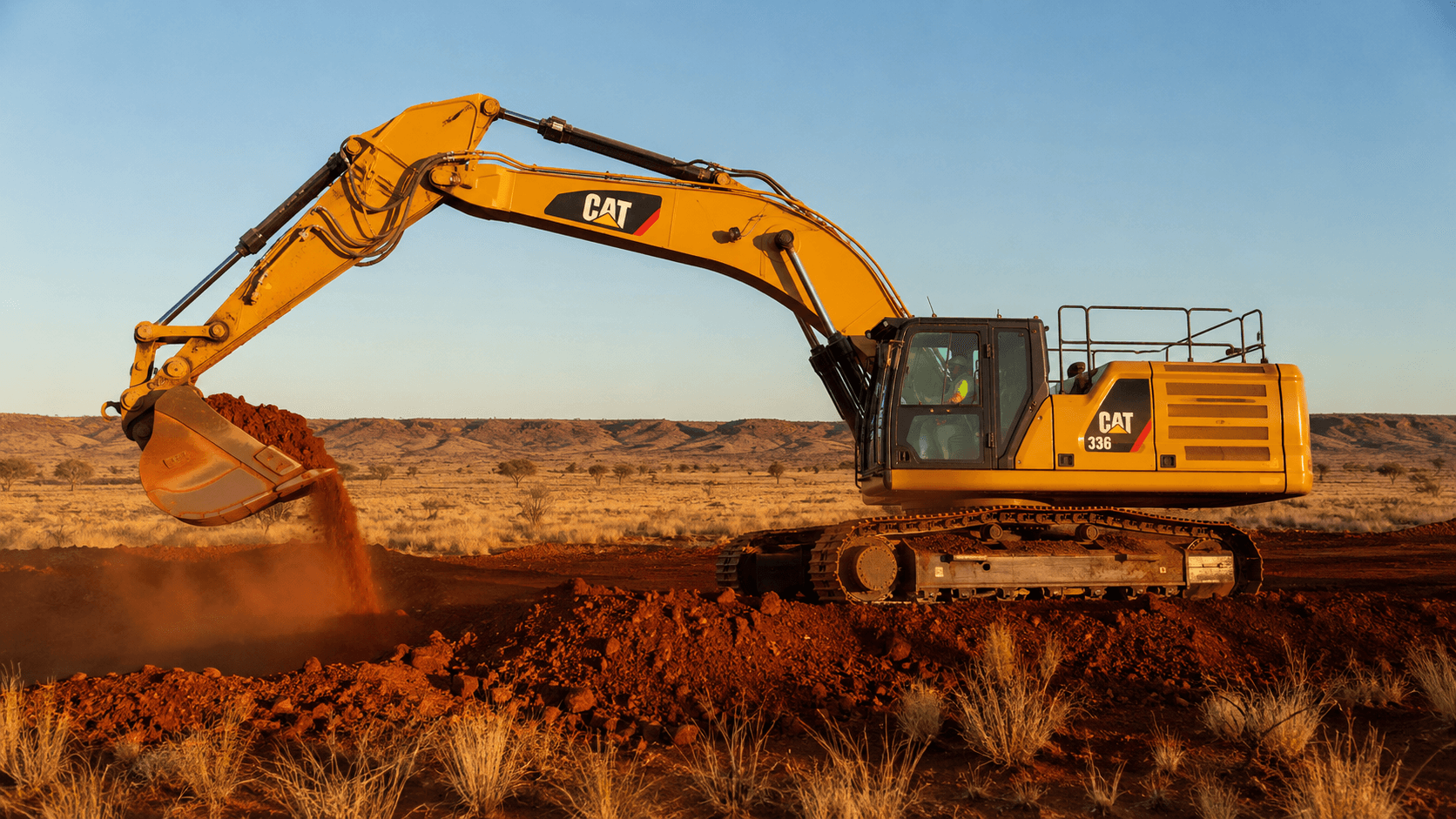
Excavators are the workhorse of Australian civil, mining and infrastructure projects. They dig trenches, load trucks, trim pads, clear drains, break rock and handle materials. The trick is not hiring the biggest machine you can afford. It is hiring the machine that fits the work, the access and the operator.
Common excavator sizes
Mini excavators from about 1.5 to 3 tonnes are useful for tight urban jobs, plumbing, landscaping and work around existing services. Around 5 to 8 tonnes suits small civil works, drainage, footings and confined commercial sites. The 8 to 14 tonne range is a good general civil size, especially where you need reach and production without a huge transport burden.
Machines around 20 to 30 tonnes are common on roadworks, subdivisions, bulk earthworks and mine support projects. Above that you are into major earthmoving and mining gear, where mobilisation, permits, support equipment and operator capability become a much bigger part of the decision.
Dry hire or wet hire
Dry hire can be good value if you have competent operators, a supervisor who knows the task and a job long enough to justify the setup. Wet hire is usually better for short work, specialist attachments, remote projects or when production matters more than the nominal rate. A strong operator in a 14 tonne machine can often out-produce an average operator in a larger machine.
Typical Australian hire rates
Rates vary by region, availability, attachment package and hire length. As a rough guide, small minis may run from a few hundred dollars per day dry hire, 5 to 8 tonne machines often sit higher again, and 20 tonne plus excavators can move into four figures per day depending on spec. Wet hire adds the operator and often fuel, so the hourly rate is higher but the output may be better.
Mine spec excavators
For WA mine sites, ask for mine spec documentation before you book. Check ROPS/FOPS, fire suppression, isolators, seatbelts, cameras, lighting, radios, emergency stops and current inspection paperwork. BHP, Rio Tinto, FMG and goldfields operators may ask for different setups, so name the site if you can.
Remote and regional considerations
Transport matters. A machine that is cheap in Perth may not be cheap once it is floated to Tom Price, Newman or Leonora. Road limits, attachment transport, buckets, hammers, tilt hitches and service support should all be included. Red dirt is hard on pins, bushes and cooling systems, so ask about maintenance response.
What to include in your quote request
- Machine size or the task and material to be moved.
- Location, access, dates and expected hours.
- Attachments needed: buckets, hammer, auger, grab or tilt hitch.
- Wet or dry hire, operator requirements and mine spec needs.
Once you know the size and setup, search earthmoving suppliers on Remote Equipment Hire and focus on companies that genuinely service your site.